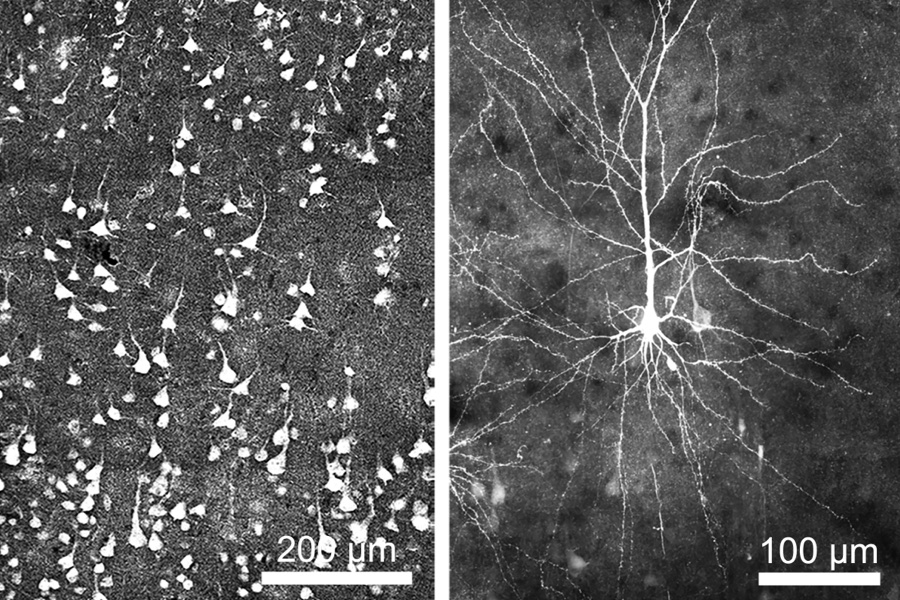
The ability of the brain to adapt its structure and function in response to external stimuli is essential for the formation of internal representations, learning, memory formation and complex behavior. It remains unclear whether the mechanisms of brain plasticity that have been identified in animal models are also recruited in the human brain. In our recent study (https://elifesciences.org/articles/63026), Max Lenz and the team discovered that the vitamin A metabolite all-trans retinoic acid (atRA) mediates coordinated changes in the synaptic structure and function in human neocortical neurons. Moreover, we report for the first time that synaptic plasticity in the human brain requires protein synthesis and targets subcellular synaptic organelles, i.e., the spine apparatus organelle. These findings provide new important insights in basic principles of human synaptic physiology, that may help our understanding of pathological brain states as observed in the context of neurodegenerative diseases.
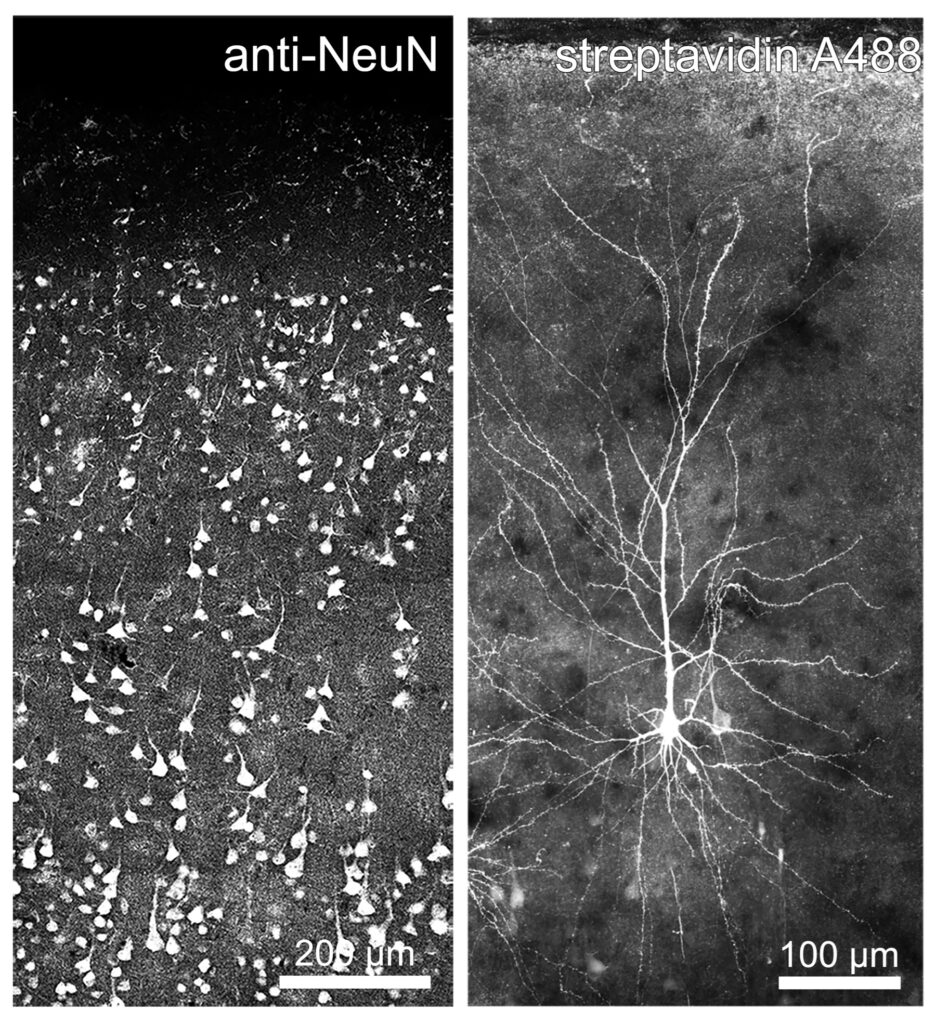
Lenz M, Kruse P, Eichler A, Straehle J, Beck J, Deller T, Vlachos A. All-trans retinoic acid induces synaptic plasticity in human cortical neurons. Elife. 2021 Mar 30;10:e63026.
Link to the original publication: https://elifesciences.org/articles/63026
Althaus JC, Sutton MA. From mice to men. Elife. 2021 Apr 1;10:e67895.
Insight article: https://elifesciences.org/articles/67895